Author: Heath Waugh
Date Published: 1 March 2026
TL;DR - Your product is still being manufactured. Your campaign launch date isn't moving. AI-integrated production means you don't have to choose between the two - we can produce broadcast and print-ready campaign imagery from 3D renders, before the physical product exists.
Working in the Future
Here's a scenario that used to be impossible: launching campaign imagery for a product that doesn't physically exist yet.
Not renders. Not mockups. Not "coming soon" placeholder creative. Actual campaign-ready imagery - broadcast and print quality - for products that are still in manufacturing, still in transit, still being finalised.
This is one of the less obvious advantages of AI-integrated production. It's not just about speed or cost. It's about decoupling the creative timeline from the physical supply chain.
The Old Constraint
Traditional product photography has an unavoidable dependency: you need the product. In your hands, in the studio, ready to shoot.
This sounds obvious, but it creates real scheduling headaches. Manufacturing timelines slip. Shipping gets delayed. Packaging revisions push back sample availability. And the campaign launch date doesn't move.
The result is compressed timelines, rushed shoots, and creative teams working with less time than they need - not because anyone planned poorly, but because they couldn't start until the product showed up.
For seasonal campaigns, this is particularly brutal. Easter, Christmas, back-to-school - the launch windows are fixed. Miss them and you've missed them. Every day spent waiting for physical product is a day not spent on creative development.
What's Changed
We've now run multiple projects where campaign imagery was delivered before the physical product was available. Two recent examples:
An Australian furniture manufacturer was launching a new range, with product being manufactured in China. They had studio images from the factory floor - standard product shots on white background - but no physical samples in Australia. Using those factory images, we built full campaign imagery: the furniture in styled environments, ready for market. By the time the shipping containers arrived, the campaign was ready to go, and the client had teased their release for weeks.
An Australian confectionery brand was preparing their nationwide Easter campaign with updated 2026 packaging. The new pack designs existed, but physical samples hadn't been received yet. Their packaging design agency supplied 2d renders of the new packaging. We used those renders to create the campaign imagery - product shots in seasonal environments, at print resolution, fully approved - before a single physical pack was in-hand.
In both cases, the creative work happened in parallel with manufacturing and logistics, not after it.
Why This Matters
The benefits compound quickly:
Longer creative runway. When you're not waiting for physical product, you can start earlier. More time for exploration, iteration, and refinement. Less panic at the end.
Pre-promotion becomes possible. You can build anticipation for products before they're available. Tease campaigns, pre-orders, retailer sell-in materials - all ready before stock lands.
Supply chain delays stop breaking timelines. Manufacturing hiccups, shipping delays, customs holdups - these become logistics problems, not creative emergencies. The campaign doesn't slip just because the container does.
Packaging iteration gets easier. If the pack design changes late in the process, updating the campaign imagery is straightforward. You're not reshooting; you're re-compositing.
Retailer deadlines become manageable. Retail media bookings often require final creative well before products hit shelves. When you can produce imagery from renders or reference shots, you meet those deadlines without the usual scramble.
What's Required
This isn't magic - it just requires the right inputs.
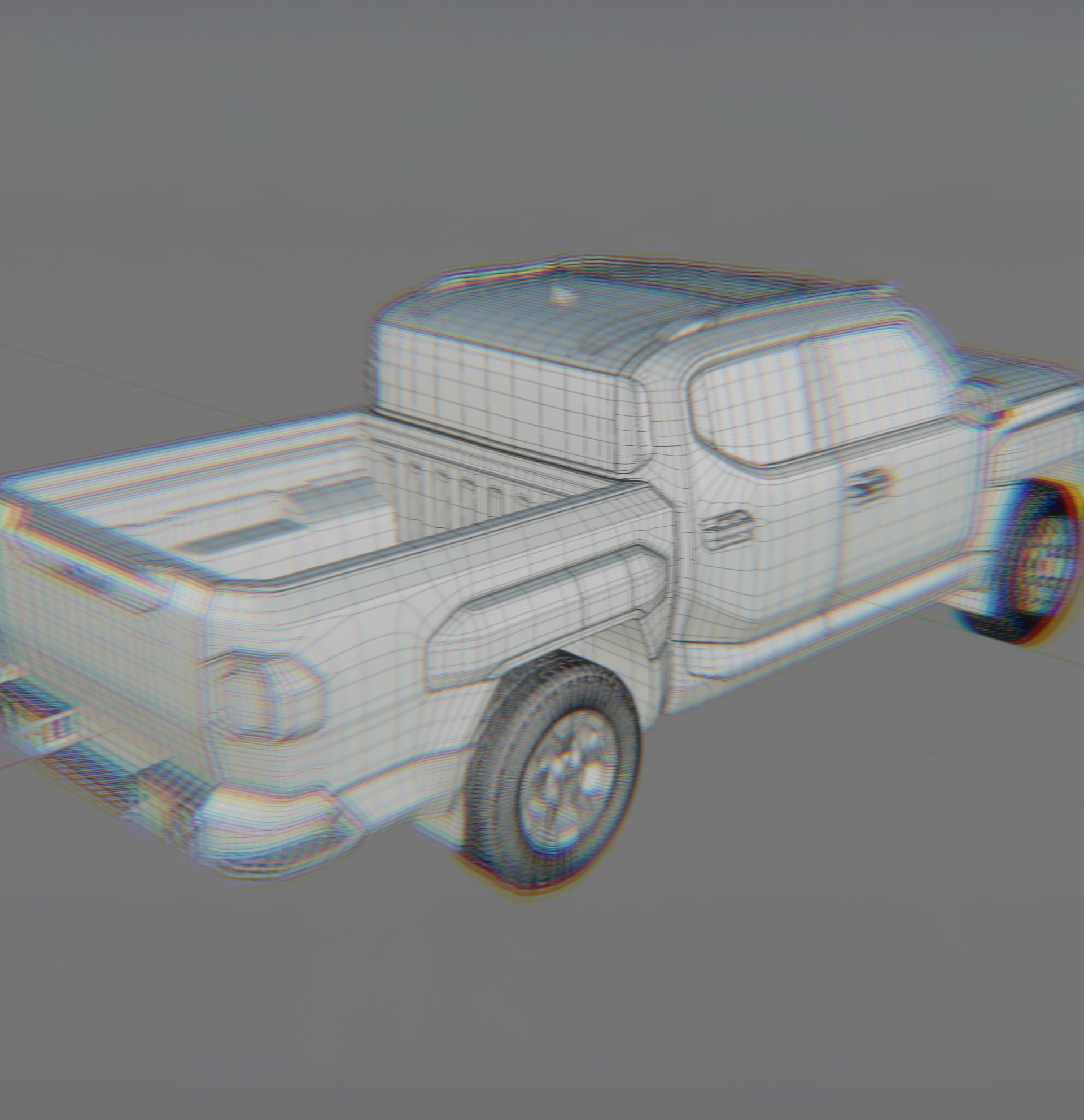
We need accurate reference imagery or renders of the product. Factory shots, 3D renders from the packaging agency, CAD files - something that captures the product accurately. The better the reference material, the more precise the final output.
We also need clarity on what's fixed and what might change. If the packaging design is still in flux, we need to know which elements are locked. The workflow is flexible, but it helps to understand where revisions might come.
And the product accuracy is non-negotiable. The final imagery needs to represent what will actually ship. We're not creating aspirational versions of the product - we're creating campaign imagery that holds up when the real thing hits shelves.
The Shift
The traditional sequence was: finalise product → receive samples → shoot campaign → launch.
The new sequence can be: finalise product design → create campaign imagery → receive samples → launch.
That reordering changes what's possible. Campaigns can be ready when you are, not when the shipping container is.
Heath Waugh
FAQ's
Q: Can you really create campaign imagery before the product is manufactured?
A: Yes. Matter has done it multiple times - including for an Australian furniture manufacturer and an Australian confectionery brand. Using factory shots, 3D renders, or 2D packaging files as reference, we build broadcast and print-ready campaign imagery before physical samples are available.
Q: What do you need from us to start without the physical product?
A: Accurate reference material - factory shots, 3D renders, CAD files, or 2D packaging artwork. The better the reference, the more precise the output. We also need clarity on which elements are locked versus still in flux, and a firm commitment that the final imagery will accurately represent what ships.
Q: What are the practical benefits of decoupling the creative timeline from manufacturing?
A: Campaigns can be ready before stock lands, pre-promotion and teaser content becomes possible, supply chain delays stop breaking creative timelines, packaging revisions are easier to accommodate, and retail media deadlines become manageable - all without the usual last-minute scramble.
Q: Does this approach work for seasonal campaigns?
A: It's particularly well-suited to seasonal work. Easter, Christmas, back-to-school - the launch windows are fixed, but manufacturing and shipping aren't. When imagery can be produced from renders, you meet the window regardless of when the container arrives.