Author: Heath Waugh
Published: 12 March 2026
------------
TL;DR A Matter Studio project runs in nine steps: brief, proposal/treatment/quote, contracts, Figma setup, first art, client feedback, second art and selects, post-production, and final dispatch. The full process takes approximately three weeks. Projects start at NZD $3,500.
Most people who reach out to us have seen the work and want to know what working together actually looks like. Not the marketing version — the actual sequence of events from brief to dispatch.
It's straightforward. But the structure matters, and understanding it upfront saves a lot of time on both sides.
------------
Step 1: The Creative Brief
Everything starts with a creative brief. It doesn't need to be a formatted document - it can be a deck, an email, a conversation. What it needs to contain: what the product is, what the campaign needs to do, where the imagery is going, and any existing brand direction, creative reference, or guidelines we should be working within.
The brief is where we figure out what's actually being asked. A lot of enquiries arrive with a vague sense of "we need AI imagery" without a clear picture of what that means in practice. Getting specific early means the quote is accurate and the project doesn't drift.
------------
Step 2: Proposal, Treatment, and Quote
We don't have packages or pricing tiers. Every quote is custom, based on workflow complexity and the number of deliverables. Projects start at NZD $3,500.
But the quote is only part of what we send back. Because this is still a relatively new field, clients often want some assurance that their concept is actually achievable before committing - and that's a fair ask. So alongside the pricing, we include a photographic treatment: our proposed visual approach for the job, including an initial style test generated in AI.
That test isn't finished work. It's a proof of concept - enough to demonstrate that the direction we're proposing will produce something real, not just something that sounds good in a document. It removes the uncertainty that can make clients hesitant, and it means both sides are aligned on approach before contracts are signed.
If the scope isn't clear enough to quote accurately, we'll ask a few questions first. We'd rather take an extra day to get it right than lock in a number that doesn't reflect what the job actually requires.
------------
Step 3: Contracts and T&Cs
Before anything creative happens, the paperwork is signed. We have AI-specific terms - not a standard photography licence repurposed for the occasion. The distinction matters: standard contracts weren't written for hybrid workflows, and ours were drafted specifically for this kind of work.
This protects both sides. It also means there are no surprises later about ownership, usage rights, or what happens if a revision brief arrives after the project has closed.
-------------
Step 4: Shared Figma Board Setup
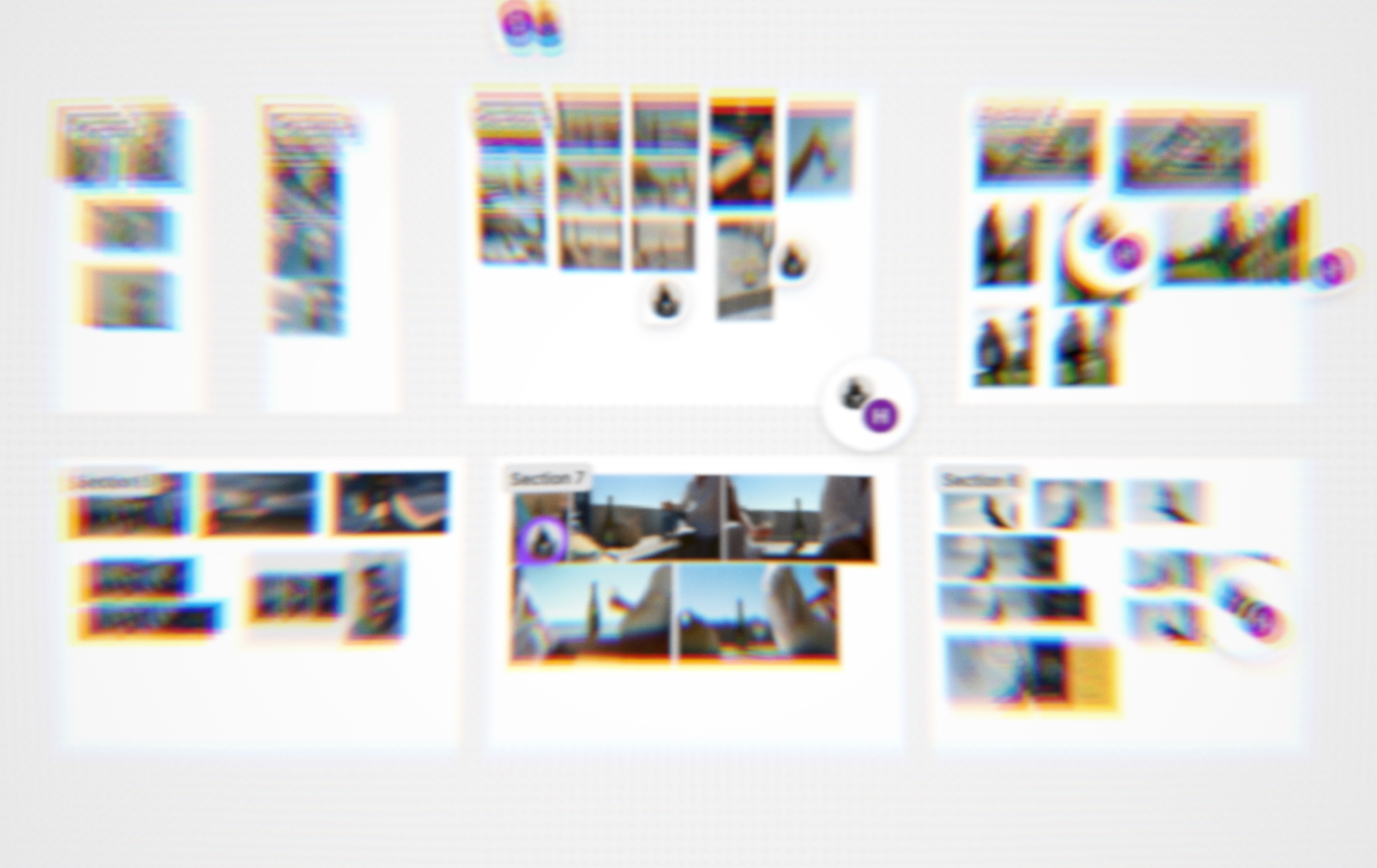
Once contracts are signed, we set up a shared Figma board with the client / agency team. This is the single space where the entire project lives - from early direction through to final selects and feedback.
It sounds like a small operational detail. It's actually the thing that makes the whole process work. Everyone sees the same work at the same time, comments happen in context, and nothing gets lost in email threads or Slack channels.
--------------
Step 5: First Art - Why This Is the Most Important Stage
First art isn't finished work. It's a direction test - and it's probably the single biggest structural difference between working with us and working with a traditional production studio.
In a conventional shoot, the first time a client sees anything resembling real images is after the shoot day is done. Every decision before that - locations, casting, lighting concept, environment - is made on the basis of mood boards and reference decks pulled from other people's work. You're essentially approving a vision, then waiting weeks to find out if the reality matches. By the time it doesn't, most of the budget is spent.
The old model front-loaded decisions and back-loaded feedback. That's not because anyone was doing it wrong - it's because the medium demanded it. You can't scout a location digitally. You can't know what a set will feel like until you're in it. The shoot day was the fixed point everything else orbited around.
With AI-integrated production, that constraint is gone. First art gives clients and agencies something real to react to in week one. Not references. Not someone else's campaign. Actual proposed imagery for this brief, this product, this brand.
We produce a set of images that establish the visual language of the project - mood, environment, colour, how the product sits in the scene. It's propositional, not polished. The point isn't to present something finished; it's to get an honest read on direction while changing course costs almost nothing.
This shifts the nature of feedback in a way that's hard to overstate. When people respond to finished work, criticism feels high-stakes - changes are expensive, the clock is running, nobody wants to be the person who blows up a shoot. When people respond to first art, it's genuinely collaborative. We're still building. Input is additive, not corrective.
There's another thing we didn't fully anticipate when we started working this way: earlier visibility produces better creative outcomes. The old model gave you one shot at most things. One location. One shoot day. One set of decisions, made under pressure, committed to before the client had seen anything. Now, we explore visually before committing. If a concept that looked strong in the brief doesn't translate in practice, we find out immediately - not after the container has been unpacked and the crew has gone home.
First art is where the project either finds its direction or finds out it needs a new one. Either outcome is good, as long as it happens early.
--------------
Step 6: Client Feedback
Feedback comes through Figma. Comments land directly on the image, in context, which means "the shadow on the left side" is unambiguous. No translation required.
We're looking for a clear read on what's working and what isn't before we go further. This is also where directional decisions get made: if the brief has evolved since we started, now is the time to surface that.
-------------
Step 7: Second Art and Selects
With feedback incorporated, we move into second art - the refined set of images from which final selects are made. By this stage, the direction is established, and we're making choices about which executions are strongest and which angles or framings are worth taking into post.
Selects are reviewed and confirmed in Figma. What's approved here is what goes to post-production.
-------------
Step 8: Post-Production
This is where the work becomes final. Retouching, finessing, colour management, product accuracy checks - all the detail work that makes the difference between something that looks impressive in a preview and something that holds up when a prepress operator opens it at 100%.
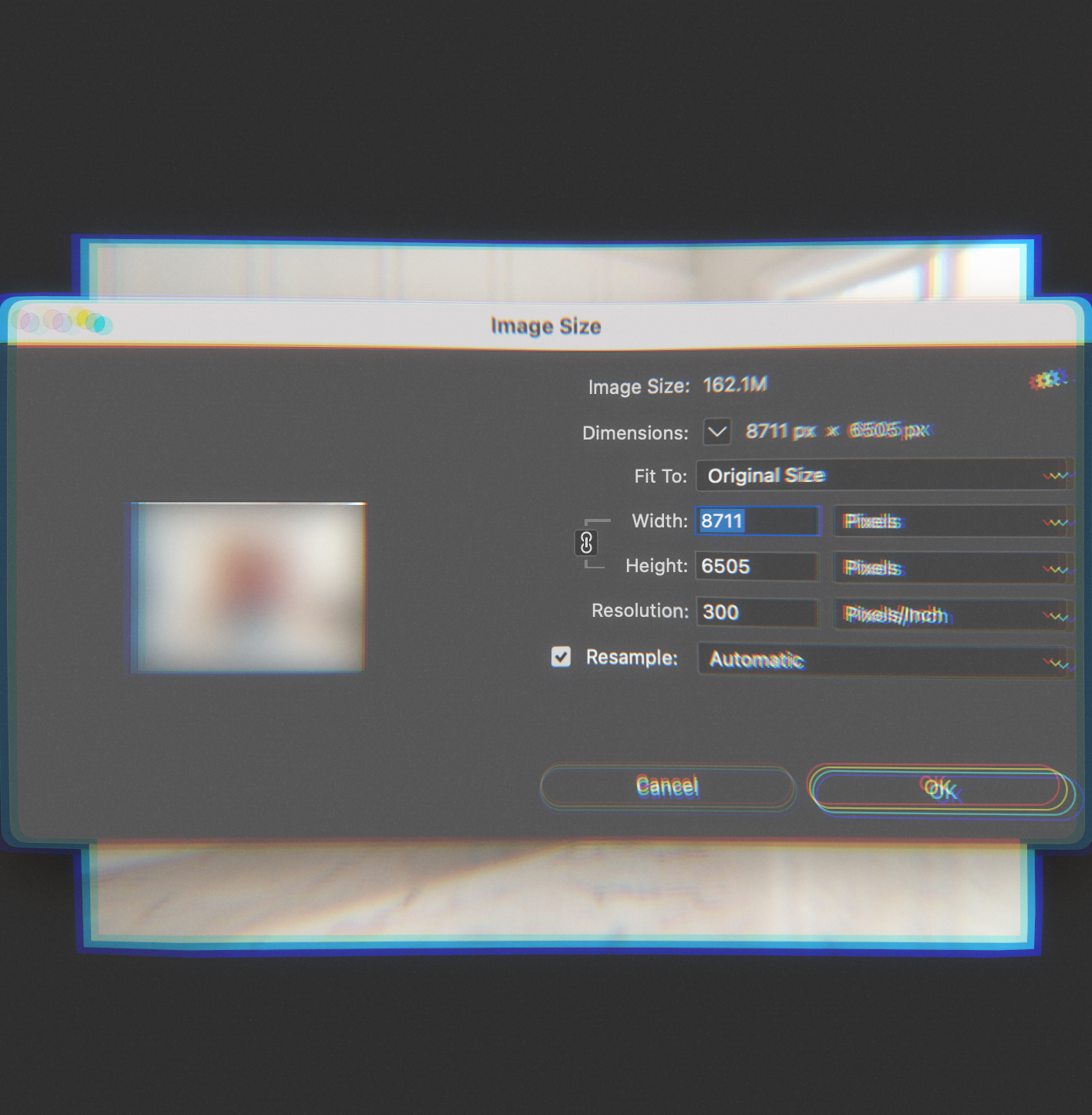
We produce natively at 8K and 300 PPI. That means no upscaling, no crossed fingers at the printer, no "it looked fine on screen" conversations. The files arrive ready for wherever they're going - print, billboard, broadcast, retail.
-------------
Step 9: Final Feedback, Amends, and Dispatch
Final feedback is typically minor at this point because the substantive decisions were made earlier. If anything needs adjustment, it happens here. Once signed off, files are dispatched in the formats required.
The whole process runs three weeks on average. It can compress for urgent briefs and extend for complex, high-volume projects.
What doesn't change is the sequence. The structure exists because it works - feedback lands early when it's cheap to act on, the project stays visible to everyone involved, and nothing arrives as a surprise at the end.
-------------
Frequently Asked Questions
How long does a project at Matter Studio take? Three weeks on average from brief to dispatch. Complex or high-volume projects take longer. Timeline is confirmed in the quote.
How much does it cost to work with Matter Studio? Projects start at NZD $3,500. Every quote is custom - pricing is based on workflow complexity and volume of deliverables, not fixed tiers or subscriptions.
Do I need a formal creative brief to get started? No. An email, a deck, or a conversation is enough. What matters is enough information to understand the product, where the imagery is going, and any brand guidelines we need to work within.
What is included in Matter Studio's proposal? The proposal includes a custom quote, a photographic treatment outlining the proposed visual approach, and an initial AI-generated style test. The style test is a proof of concept - it demonstrates that the proposed direction is achievable before contracts are signed.
What is "first art" and how is it different from a mood board? First art is actual proposed imagery for your brief - not references pulled from other people's work. It's produced in week one and gives clients and agencies something real to react to before significant budget or time is committed. Mood boards and treatments ask you to approve an idea. First art shows you what we're proposing to make.
Why does Matter Studio use Figma for client feedback? Because feedback lands directly on the image, in context. It removes ambiguity, keeps a clear record of every decision, and means the whole team - client, agency, and studio — is always looking at the same thing.
What file formats and resolution does Matter Studio deliver? All files are delivered natively at 8K resolution and 300 PPI - without upscaling. Formats are confirmed to brief requirements: print-ready TIFFs, broadcast specs, or digital formats as needed. Files are production-ready on delivery.
Can Matter Studio work with brands outside New Zealand? Yes. Matter works with brands and agencies globally. The Figma-based workflow makes remote collaboration straightforward - most projects never require an in-person meeting.
What if the creative direction changes mid-project? It happens. The best time to surface a change is during first art feedback, when adjusting course is cheap. Changes after selects are confirmed or during post-production may affect timeline and cost - we'll always flag that upfront.